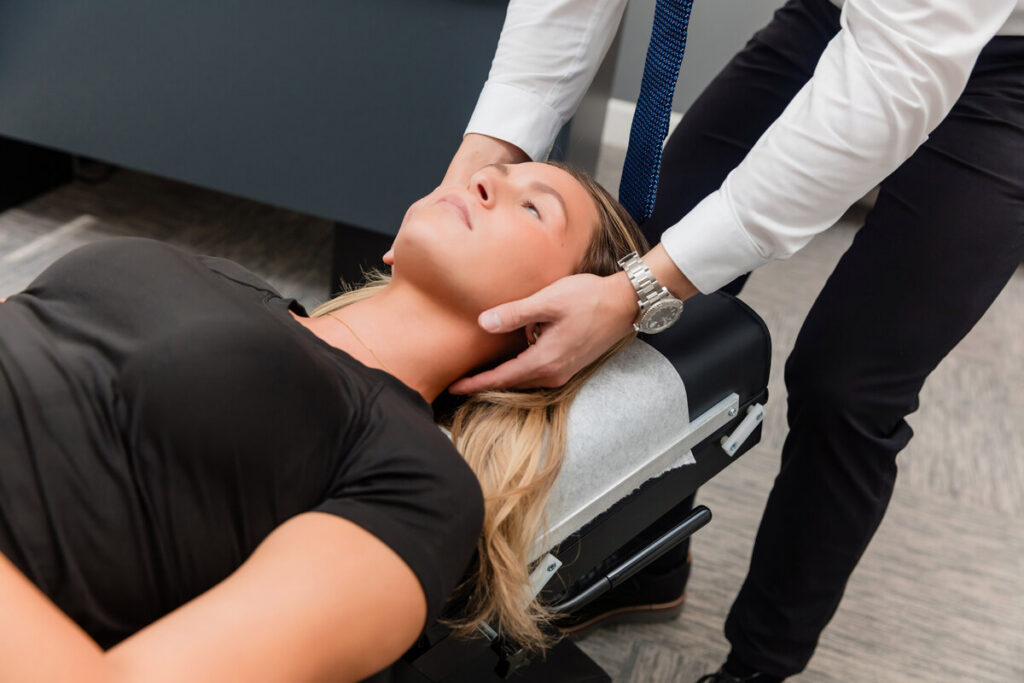
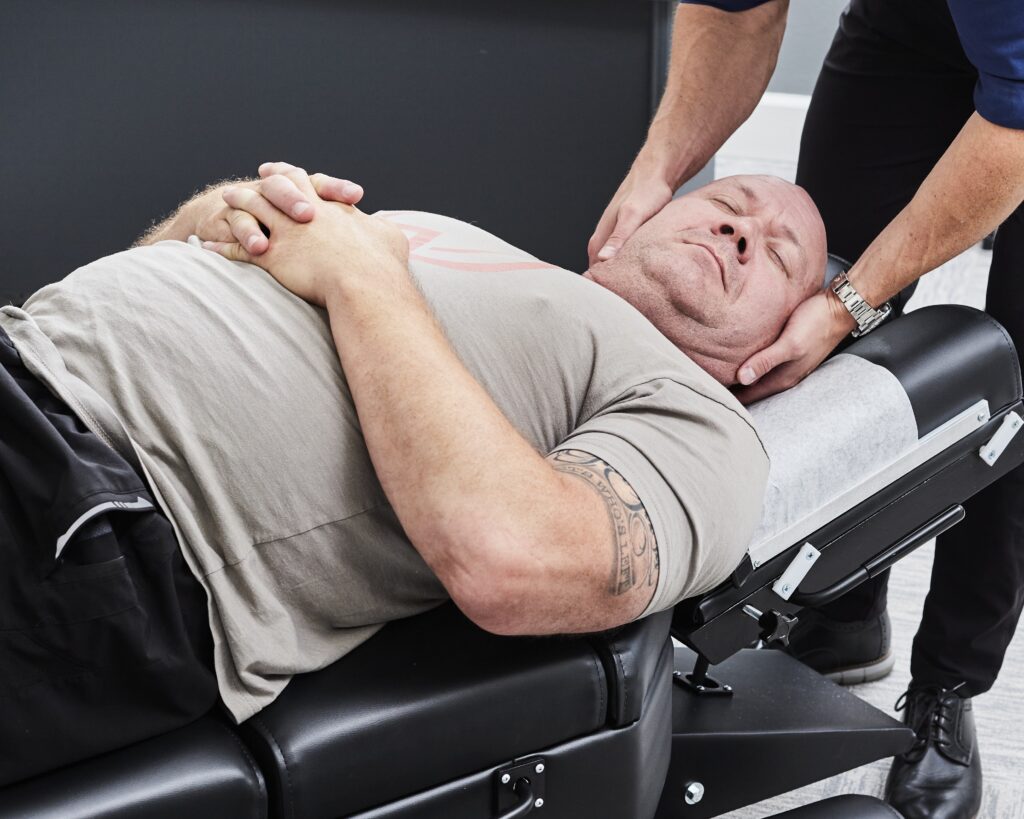
As a local chiropractor, I want to share with you the various ways we can find relief from neurological disorders through natural healing methods. There are numerous treatments available that can help manage symptoms effectively. For instance, chiropractic care focuses on optimizing your nervous system function and alleviating stress on the spine, which can have a profound impact on your overall well-being.
In addition to spinal adjustments, we can explore innovative techniques such as neurostimulation, which may help enhance nerve function and reduce discomfort. It's also important to consider lifestyle changes that support your health, such as proper nutrition and regular exercise, which can play a significant role in your recovery.
Therapies like massage or physical therapy can complement chiropractic care, providing additional support for your healing journey. However, determining the best combination of treatments tailored to your unique needs can sometimes be challenging. Together, let's dive deeper into these options and create a holistic management plan that empowers you to live your best life.
Medications for Symptom Management
When it comes to managing the symptoms of neurological disorders, understanding the role of chiropractic care can significantly enhance your quality of life. As a chiropractor, I focus on the body's natural ability to heal itself, and I believe that finding the right approach can help you regain control over your daily activities.
For example, if you're dealing with chronic pain, chiropractic adjustments can help alleviate pressure on nerves and improve overall function. While medications like anticonvulsants and antidepressants are commonly prescribed for neuropathic pain, chiropractic care offers a drug-free option that targets the root cause of your discomfort.
If muscle spasms or stiffness are part of your experience, chiropractic techniques can help by promoting muscle relaxation and improving mobility. Gentle manipulations and stretching exercises can aid in reducing tension, allowing for easier movement throughout your day.
Additionally, if you're facing mood swings or anxiety, it's worth noting that chiropractic care can support your nervous system and help improve your emotional well-being naturally.
It's crucial to pay attention to how your body responds to any treatment, including chiropractic adjustments. Each individual is unique, and what works for one person may not be effective for another. This is why maintaining open communication with your chiropractor is essential.
Together, we can tailor a treatment plan that may include various techniques to best address your specific symptoms.
Remember, it's important to follow the recommended treatment plan and not discontinue care abruptly without consulting your chiropractor. Stopping treatment suddenly can lead to a return of symptoms or even aggravate your condition.
Finding the right approach may take time, and often, a combination of chiropractic adjustments and lifestyle changes yields the best results. Stay patient and proactive in discussing your symptoms and concerns with your chiropractor; this collaborative effort can greatly enhance your journey toward symptom management and overall well-being.
Physical Therapy Techniques
When it comes to managing neurological disorders, chiropractic care can play a pivotal role in your recovery journey.
As your local chiropractor, I want to introduce you to some effective techniques that can help enhance your overall well-being. We utilize manual therapy approaches that focus on adjusting and mobilizing the spine and joints, which can alleviate discomfort and improve function.
Additionally, we incorporate neuromuscular re-education strategies to retrain your muscles and improve coordination and balance. Gait training methods are also integral, as they can help you regain mobility and strength in a natural way.
Understanding these chiropractic techniques can empower you to take charge of your health and work towards a life with greater relief and improved function.
Manual Therapy Approaches
As a local chiropractor dedicated to your health and well-being, I want to introduce you to the benefits of manual therapy approaches in chiropractic care. These specialized techniques are designed to help relieve discomfort and improve movement associated with various neurological conditions. Through hands-on methods, we focus on manipulating muscles, joints, and soft tissues to enhance mobility, alleviate pain, and promote overall function.
During your sessions, I may employ techniques such as soft tissue mobilization, joint mobilization, and myofascial release. Soft tissue mobilization is particularly effective for loosening tight muscles and easing discomfort. Joint mobilization works to restore normal movement in stiff joints, while myofascial release targets the fascia, helping to relieve tension that can lead to pain and restricted movement.
By addressing these specific areas, you can experience a greater range of motion and reduced symptoms. Moreover, manual therapy can significantly enhance blood circulation, which is vital for healing and recovery.
It's essential to share your specific symptoms and any limitations you may have during our consultations. This way, I can tailor the techniques to fit your individual needs. With consistent chiropractic sessions, many patients notice substantial improvements in their physical function and quality of life.
Incorporating manual therapy into your overall treatment plan can be a transformative step in managing the challenges posed by neurological disorders. I'm here to guide you on your journey to better health through natural healing methods.
Neuromuscular Re-education Strategies
As a local chiropractor, I want to share how neuromuscular re-education strategies can be beneficial for individuals dealing with neurological disorders. These methods focus on enhancing muscle function, coordination, and overall movement patterns, allowing you to regain control and improve your daily activities.
One effective technique I often recommend is proprioceptive neuromuscular facilitation (PNF). This involves specific stretching and contraction exercises aimed at improving your flexibility and strength.
Additionally, functional electrical stimulation (FES) can be a valuable tool, using gentle electrical impulses to activate your muscles and help restore movement and function.
Another important approach is task-specific training, where you practice movements that mimic everyday activities. This not only reinforces neural pathways but also helps these actions become more instinctive over time.
I also encourage incorporating balance and coordination exercises into your routine to enhance stability and reduce the risk of falls.
Working with a chiropractor like myself ensures that your neuromuscular re-education program is customized to meet your unique needs and goals.
I'll guide you through the process, monitor your progress, and make necessary adjustments to your exercises. Together, we can empower you to reclaim your mobility and independence through natural healing methods.
Gait Training Methods
As a chiropractor, I want to shed light on the importance of gait training methods, especially for those dealing with neurological disorders. These methods are essential for helping individuals regain their ability to walk effectively and safely. Our focus is on enhancing your movement patterns, balance, and overall coordination, which are critical components of your body's functionality.
To start, we often recommend basic exercises designed to strengthen your leg muscles and core while improving flexibility. As you make progress, we may introduce advanced techniques such as treadmill training or body-weight support systems. These approaches allow you to practice walking in a controlled environment, reducing the risk of falls and providing a safe space for you to develop your skills.
In addition, we utilize visual and auditory cues to heighten your awareness of body movements. These cues can significantly improve your timing and rhythm with each step you take. With time and dedication, you'll likely notice an increase in your confidence and stability, allowing you to walk more naturally.
We may also incorporate assistive devices, such as walkers or canes, into your gait training regimen. These tools can provide essential support as you work to regain strength and coordination.
Occupational Therapy Benefits
When it comes to managing neurological disorders, chiropractic care offers a variety of benefits that can significantly improve your daily life. This holistic approach focuses on restoring balance to your body and enhancing your overall well-being, allowing you to better navigate the challenges you face in everyday activities.
Here are some key advantages of chiropractic care that you may find beneficial:
- Enhanced Functionality: Chiropractic adjustments can help improve your body's function, allowing you to perform daily activities more easily, which can boost your confidence and independence.
- Personalized Care Plans: Chiropractors create individualized treatment plans tailored to your specific needs, strengths, and goals. This personalized approach ensures a more effective path to recovery and wellness.
- Improved Mobility and Balance: Through spinal adjustments and targeted therapies, chiropractic care can enhance your mobility and coordination, making it easier for you to move around and engage with your environment.
- Holistic Emotional Support: Chiropractic care goes beyond physical treatment; it also considers your emotional well-being. A chiropractor can provide guidance and support to help you cope with the emotional aspects of your condition, promoting resilience and a positive outlook.
Cognitive Behavioral Therapy
As a local Chiropractor, I want to share how certain techniques can help you manage the challenges associated with neurological disorders.
While many may not be familiar with chiropractic care, I can assure you that it focuses on promoting your overall health and well-being through natural healing methods.
By addressing not just the physical aspects but also the mental and emotional components, we can work together to shift any negative thought patterns you may have.
This holistic approach empowers you to enhance your emotional health and improve your daily functioning.
Let's discuss how these chiropractic strategies can benefit you on your journey to wellness.
Therapy Techniques Overview
As a local chiropractor, I want to share how chiropractic care can play a significant role in relieving neurological disorders and enhancing your overall well-being.
Our holistic approach focuses on the connection between the spine, nervous system, and your mental health. By addressing misalignments and promoting natural healing, we can help you manage your symptoms more effectively.
Here are four key techniques we utilize in our chiropractic practice that contribute to your healing journey:
- Spinal Adjustments: We work to correct misalignments in your spine, which can help restore proper nerve function and improve your body's ability to heal itself.
- Physical Therapy Exercises: Engaging in specific exercises can enhance your strength and flexibility, promoting better posture and reducing discomfort.
- Lifestyle Modifications: We provide guidance on healthy habits, including nutrition and stress management, to support your body's natural healing processes.
- Mind-Body Connection: Our approach emphasizes the importance of mindfulness and relaxation techniques to help you stay grounded and reduce anxiety.
Benefits for Patients
As a local chiropractor, I want to share how Cognitive Behavioral Therapy (CBT) can be a valuable tool for patients dealing with neurological disorders. While chiropractic care focuses on the physical aspects of health, incorporating therapies like CBT can significantly enhance your overall well-being.
CBT is an evidence-based treatment that helps individuals recognize and modify negative thought patterns that may worsen their symptoms. By addressing these thoughts and behaviors, you can regain control over your emotional responses, complementing the physical adjustments we provide in chiropractic care.
One of the key advantages of CBT is that it equips you with personalized coping strategies tailored to your unique challenges. As you learn to manage feelings of anxiety, depression, and stress—common issues for those with neurological disorders—you'll find that these skills enable you to face life's challenges more constructively.
This holistic approach, combining physical and mental health strategies, can lead to a greater sense of well-being.
Moreover, CBT promotes a proactive mindset. You'll set achievable goals that allow you to monitor your progress and celebrate small successes. This sense of accomplishment can boost your motivation, which is essential in any healing journey.
CBT also enhances your communication skills, making it easier to express your feelings and needs. As you become more comfortable navigating your emotions, you may notice improvements in your relationships, creating a supportive network that's crucial for your healing process.
Lifestyle Changes and Nutrition
As your local chiropractor, I want to emphasize the significant role that intentional lifestyle changes and a focus on nutrition can play in your overall well-being, especially when dealing with neurological disorders. By making small, manageable adjustments, you can enhance your quality of life and potentially alleviate some symptoms.
Here are four essential strategies I encourage you to consider:
- Balanced Diet: It's vital to prioritize a diet rich in whole foods. Aim to include plenty of fruits, vegetables, lean proteins, and healthy fats in your meals. Foods such as fish, nuts, and leafy greens aren't only delicious but also loaded with nutrients that support brain health and may help reduce inflammation.
- Regular Exercise: Engaging in regular physical activity is crucial for overall health. It boosts blood flow to the brain, improves your mood, and can enhance cognitive function. I recommend aiming for at least 30 minutes of moderate exercise most days of the week. Activities like walking, swimming, or practicing yoga can be incredibly beneficial for both your body and mind.
- Quality Sleep: Don't underestimate the importance of a good night's sleep. Establishing a consistent sleep routine can significantly aid your brain in recovery and rejuvenation. Strive for 7-9 hours of restful sleep each night to support your neurological health and overall well-being.
- Stress Management: Chronic stress can worsen symptoms associated with neurological disorders. To combat this, I suggest incorporating mindfulness practices into your daily routine. Techniques such as meditation or deep breathing exercises can effectively help manage stress and promote mental clarity.
By integrating these strategies into your life, you can take proactive steps toward better health.
Alternative Therapies
As a chiropractor, I want to share how exploring alternative therapies can provide valuable options for managing neurological disorders alongside traditional treatments. Many of my patients have found that these therapies can complement their standard care, helping to alleviate symptoms and enhance overall well-being.
One popular alternative therapy is acupuncture, which involves the insertion of very thin needles into specific points on the body. This practice can help reduce pain and improve function by promoting circulation and releasing endorphins, which are natural pain relievers.
Mindfulness and meditation are also effective tools worth considering. These practices encourage relaxation and stress reduction, which can be particularly beneficial for individuals dealing with the emotional challenges that neurological disorders often bring. By integrating mindfulness into your daily routine, you may notice improved focus, decreased anxiety, and a greater sense of control over your symptoms.
Herbal remedies can play a significant role in natural healing. Certain herbs, like ginkgo biloba, have been researched for their potential to enhance cognitive function and circulation, while others, such as valerian root, may assist with sleep disturbances. It's essential to consult with your healthcare provider before trying new herbal treatments to ensure they won't interfere with your current medications.
Physical therapies like yoga and tai chi can also be incredibly beneficial. These low-impact exercises not only boost flexibility, strength, and balance but also promote mental well-being through their meditative qualities.
As you explore these alternative therapies, I encourage you to maintain open communication with your healthcare team to create a comprehensive and personalized approach to managing your neurological disorder. Together, we can work toward improving your health and quality of life through a holistic approach.
Neurostimulation Devices
As a local chiropractor, I want to share with you some exciting advancements in neurostimulation devices that can complement your journey toward natural healing and overall wellness.
These innovative tools are becoming increasingly popular for managing various neurological disorders, offering relief and enhancing your quality of life in remarkable ways. By delivering electrical impulses to targeted areas of your nervous system, they can help alleviate symptoms associated with conditions such as chronic pain, anxiety, and even depression.
If you're curious about neurostimulation devices, here are four types I believe could be beneficial for you:
- Transcranial Magnetic Stimulation (TMS): This non-invasive technique utilizes magnetic fields to stimulate nerve cells in your brain. Many patients have reported improvements in mood and cognitive functions, making it a valuable option for those dealing with emotional challenges.
- Vagus Nerve Stimulation (VNS): This device is implanted beneath the skin and sends electrical signals to the vagus nerve. It has shown promise in reducing seizures for epilepsy patients and alleviating symptoms of depression, providing a holistic approach to mental health.
- Spinal Cord Stimulation (SCS): For individuals struggling with chronic pain, SCS can be a game changer. By interrupting pain signals before they reach the brain, this device allows you to reclaim your life and engage in activities you love without being hindered by discomfort.
- Deep Brain Stimulation (DBS): This surgical intervention involves placing electrodes in specific areas of the brain and has proven particularly effective for conditions like Parkinson's disease. Patients often experience reduced tremors and improved motor function, leading to a better quality of life.
As you explore the possibilities of neurostimulation technology, remember that these options can work harmoniously with chiropractic care.
Together, we can create a comprehensive approach to your health that promotes healing from within. If you're interested in learning more, let's discuss how these advancements might align with your wellness goals.
Support Groups and Counseling
When dealing with a neurological disorder, it's important to recognize the value of emotional support networks.
As a local chiropractor, I see firsthand how connecting with others who understand your journey can offer immense comfort and strength.
In addition to seeking community support, I encourage you to consider professional counseling services. They can be a vital resource in helping you navigate the emotional and psychological challenges that accompany your condition.
Together, these approaches can complement chiropractic care and natural healing, promoting overall well-being and resilience in your health journey.
Emotional Support Networks
Building a strong emotional support network is essential for your overall well-being, especially when managing health concerns, including neurological disorders.
As a chiropractor, I want to emphasize how connecting with others who understand your journey can enhance your healing process. Here are four vital elements to consider as you create your support network:
- Join a Support Group: Participating in a support group allows you to engage with individuals facing similar challenges. Hearing their stories can foster a sense of community and reduce feelings of isolation, which can be beneficial for your emotional health.
- Reach Out to Friends and Family: Your loved ones can be crucial in your healing journey. They can offer emotional support, encouragement, and a listening ear during difficult times. Don't hesitate to lean on them; their understanding can be a powerful source of strength.
- Online Communities: If local support groups aren't available, consider exploring online forums. These platforms connect you with individuals from all over the world who share similar experiences. Engaging in these discussions can provide validation and support when you need it most.
- Participate in Workshops: Look for workshops that focus on coping strategies and natural healing techniques. These sessions can equip you with valuable tools to manage your emotions and connect with others navigating similar paths.
By incorporating these elements into your life, you won't only strengthen your emotional resilience but also support your journey toward better health and healing.
Professional Counseling Services
Having a strong support system is invaluable, especially when exploring natural healing methods like chiropractic care. Many people find that incorporating chiropractic services into their wellness routine can provide them with the tools needed to manage the complexities of physical discomfort and stress.
Chiropractors are skilled in addressing your unique health challenges, helping you develop strategies for pain relief and overall well-being.
In addition to chiropractic adjustments, support groups can play a significant role in your healing journey. They offer an opportunity to connect with others who are navigating similar health challenges, fostering a sense of community and understanding.
Sharing your experiences in a supportive environment can diminish feelings of isolation and provide valuable insights from those who've faced similar situations.
Chiropractic care can assist you in setting achievable health goals, managing stress, and enhancing your overall emotional and physical wellness. It helps to bring clarity to your health journey, empowering you to advocate for your needs more effectively.
Whether you opt for one-on-one consultations or participate in wellness workshops, these resources can help you take charge of your health.
Don't hesitate to reach out and learn more about how chiropractic care can support you. Embracing these natural healing methods can be a vital step towards a more fulfilling and pain-free life.
Surgical Options
Surgical options may offer solutions for managing neurological disorders, but before considering such invasive procedures, it's important to explore the benefits of chiropractic care and natural healing methods.
As a local chiropractor, I want to educate you about how our holistic approach can help you find relief from debilitating conditions without resorting to surgery.
Chiropractic care focuses on the relationship between the spine and the nervous system, aiming to restore proper alignment and function.
Here are a few natural healing practices that might be beneficial for you:
- Spinal Adjustments: By gently adjusting the spine, we can alleviate pressure on your nerves and improve communication between your brain and body, potentially relieving symptoms associated with conditions like migraines or chronic pain.
- Therapeutic Exercises: Customized exercise programs can strengthen your body, improve flexibility, and support your overall well-being. These exercises can help reduce pain and enhance mobility without the need for invasive procedures.
- Nutritional Guidance: A balanced diet plays a crucial role in managing neurological health. We can provide advice on nutrition that supports your body's healing processes, enhancing your recovery and overall health.
- Lifestyle Modifications: Simple changes in your daily habits can have a profound impact on your neurological health. We can help you identify these changes, from stress management techniques to ergonomic adjustments in your workspace.
Each of these natural methods has its own advantages, and they often work best when combined as part of a comprehensive treatment plan.
It's essential to consult with a healthcare provider who understands your specific needs to determine the best course of action for your situation.
Remember, you don't have to navigate your health journey alone—support is available to help you make informed decisions about your care.
Let's work together towards a healthier, more vibrant life!
Emerging Treatments and Research
As a local chiropractor, I want to share some exciting developments in the field of healthcare that could positively impact how we address neurological disorders. While chiropractic care focuses on the alignment of the spine and overall wellness, I believe it's important to stay informed about innovative treatments that may complement our approach.
One area of research that stands out is gene therapy. Scientists are exploring ways to correct genetic defects that contribute to conditions like amyotrophic lateral sclerosis (ALS) and Huntington's disease. By introducing healthy genes into affected cells, there's potential to not only halt but even reverse the progression of these diseases.
Another fascinating field is neurostimulation, which uses electrical impulses to influence brain activity. While devices like deep brain stimulators have been used to alleviate symptoms of Parkinson's disease, there are now less invasive methods, such as transcranial magnetic stimulation (TMS). This technique could help manage symptoms for a variety of conditions, including depression and epilepsy, showcasing the versatility of neurological treatments.
Stem cell therapy is also gaining attention as researchers investigate how stem cells can regenerate damaged neural tissue. This approach could offer hope for individuals suffering from spinal cord injuries or multiple sclerosis. As this research progresses, we may see new treatments that tap into the body's innate healing capabilities.
Lastly, the concept of personalized medicine is emerging, which aims to customize treatments based on an individual's genetic makeup. This could lead to more effective therapies with fewer side effects, enhancing the overall quality of care.
While chiropractic care plays a vital role in promoting natural healing and wellness, it's essential to keep an open mind about these emerging treatments. Staying informed about advancements in healthcare can empower us all in managing neurological disorders and improving our overall health.
Conclusion
As a local chiropractor, I want to share some insights on how you can find relief from neurological disorders through natural healing methods. It's important to understand that treatment isn't one-size-fits-all; it involves a combination of therapies tailored to your individual needs. Chiropractic care can play a significant role in this journey.
We focus on the connection between your spine and nervous system, which is crucial for overall health. By addressing misalignments and improving spinal function, we can help alleviate symptoms of neurological disorders. Alongside chiropractic adjustments, I encourage you to consider incorporating lifestyle changes and therapies that support your well-being.
Don't overlook the potential benefits of neurostimulation devices or the value of connecting with support groups. Staying informed about new and emerging treatments can empower you to make the best decisions for your health. Remember, you're not alone in this process. By taking proactive steps and exploring natural healing options, you can effectively manage your symptoms and enhance your quality of life.