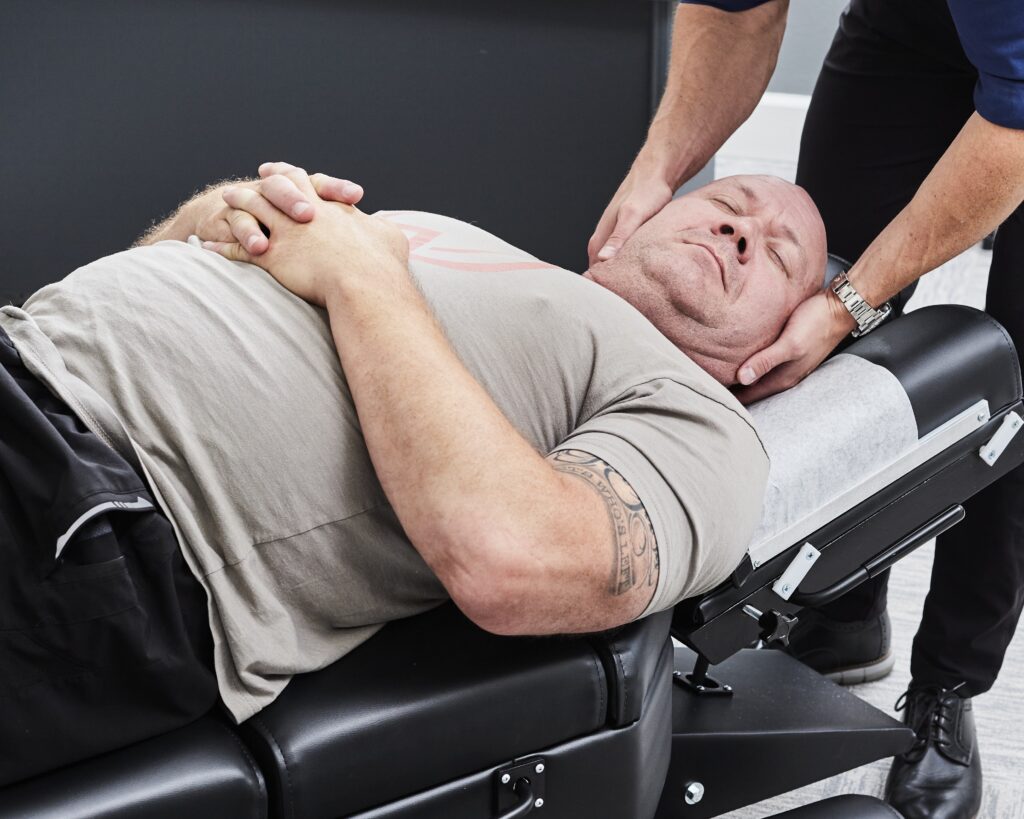

As a local chiropractor, I want to share with you an empowering approach to managing chronic pain that goes beyond just treating symptoms. Many people don't realize that pain management can be proactive rather than reactive. By incorporating preventive wellness strategies into your daily routine, you can take an active role in your recovery and overall health.
This proactive approach includes regular chiropractic adjustments, which can help align your spine and improve your body's natural function. Additionally, incorporating regular exercise, a balanced diet, and effective stress reduction techniques can significantly enhance your well-being and help you manage pain more effectively.
So, what specific steps can you take to create a personalized plan tailored to your unique needs? Together, we can explore strategies that not only address your pain but also improve your overall quality of life. This might just transform how you approach your pain management journey and empower you to live more comfortably and freely.
Understanding Chronic Pain
Understanding chronic pain is crucial, especially for those of you who may not be familiar with chiropractic care and natural healing. Many people think of pain as something temporary, like that which occurs after an injury or illness. However, chronic pain is different; it can last for months or even years without a clear explanation. This ongoing discomfort can feel like a heavy burden and significantly impact your daily life, relationships, and mental well-being.
As a chiropractor, I see patients with chronic pain stemming from various conditions such as arthritis, fibromyalgia, or nerve damage. It's important to recognize that chronic pain isn't just a physical issue—it often leads to emotional distress as well. You may find yourself feeling frustrated, anxious, or even depressed because of the persistent pain. Acknowledging this connection is vital, as it allows us to approach your care with compassion and understanding.
One of the most challenging aspects of chronic pain is its unpredictability. You may have days when you feel relatively fine, and then other days when even simple tasks become overwhelming. This inconsistency can complicate your coping strategies, but remaining proactive is key.
I encourage you to consider keeping a pain diary to track your symptoms, triggers, and any management techniques that work for you. This information can be invaluable for both you and your healthcare provider as we work together to find the best approach to alleviate your pain.
As a chiropractor, my goal is to help you understand your body better and explore natural healing methods that can alleviate chronic pain. With the right support and strategies, you can regain control over your life and improve your overall well-being.
The Importance of Preventive Wellness
As a local chiropractor, I want to emphasize the importance of embracing preventive wellness to enhance your overall quality of life and effectively manage chronic pain. Instead of merely reacting to discomfort, focusing on preventive measures allows you to proactively address the underlying factors contributing to your pain. This approach empowers you to take control of your health, fostering a greater sense of resilience and well-being.
Preventive wellness includes a range of strategies that can help mitigate pain before it becomes a significant issue. Regular visits to a chiropractor can help identify and address misalignments or dysfunctions in your body early on, enabling timely adjustments and interventions. By listening to your body and understanding its signals, you can make informed choices about your health and seek the right care when needed.
Nutrition is a vital component of preventive wellness that I often discuss with my patients. A balanced diet rich in anti-inflammatory foods can aid in reducing pain and enhancing your overall health. Incorporating whole foods—such as fresh fruits, vegetables, and healthy fats—supports your body's natural healing processes and complements the chiropractic care you receive.
Moreover, mental health is a crucial aspect of preventive wellness that shouldn't be overlooked. Chronic pain frequently intersects with emotional well-being, and managing stress through mindfulness practices or relaxation techniques can significantly alleviate discomfort. Staying socially active and nurturing supportive relationships also play a key role in building your mental resilience.
Regular Exercise Benefits
As a local chiropractor, I want to share with you the transformative role that regular exercise can play in managing chronic pain, especially when combined with chiropractic care and natural healing strategies. Engaging in consistent physical activity is essential for strengthening your muscles, improving flexibility, and enhancing your overall physical function. These improvements can lead to a noticeable reduction in pain levels and an increase in endurance, making everyday tasks feel much less daunting.
One of the remarkable benefits of exercise is the release of endorphins in your body. These natural pain relievers can provide relief, so whether you prefer a brisk walk, a calming yoga session, or a strength training workout, you're not only burning calories but also elevating your mood and alleviating discomfort. The key to reaping these benefits is consistency, so I encourage you to find activities that you genuinely enjoy, which will make it easier to commit to your routine.
Additionally, exercise plays a crucial role in alleviating the anxiety and depression that often accompany chronic pain. When you move your body, you release built-up tension and foster a sense of control over your circumstances. Whether you choose low-impact activities like swimming or cycling or more vigorous workouts, remember that every bit of movement contributes positively to your health.
Listening to your body is vital. It's perfectly okay to start slowly and gradually increase the intensity of your exercises as your strength and tolerance improve. Chiropractic care can also help you optimize your routine by addressing any misalignments or tension that may hinder your progress. Remember, it's not about pushing through pain but rather discovering what feels right for you.
Incorporating regular exercise into your daily life, alongside chiropractic adjustments, can empower you to manage your chronic pain more effectively and enhance your overall quality of life. Take that first step, and you might be pleasantly surprised at how much better you can feel.
Nutrition for Pain Management
As a local chiropractor, I want to emphasize how vital nutrition is in managing chronic pain, a topic that often gets overlooked in traditional pain management approaches. Your dietary choices can significantly influence your comfort and well-being, and understanding this connection is crucial for your healing journey.
Incorporating anti-inflammatory foods into your diet can lead to remarkable improvements in how you feel. I recommend focusing on a variety of fruits and vegetables—especially leafy greens, berries, and citrus fruits. These are packed with antioxidants that help reduce oxidative stress in your body, which can contribute to pain.
Additionally, consider including fatty fish, such as salmon and mackerel, in your meals. These are rich in omega-3 fatty acids, known for their powerful anti-inflammatory effects.
Whole grains, nuts, and seeds are also important components of a pain-friendly diet. They offer essential nutrients and fiber that support a healthy digestive system and assist in maintaining a healthy weight—another key factor in managing pain.
Conversely, I advise steering clear of processed foods, excessive sugar, and trans fats, as these can trigger inflammation and worsen your discomfort.
Hydration is equally important in this equation. Drinking plenty of water helps keep your joints lubricated and supports your body's overall functions.
Additionally, consider incorporating herbal teas like ginger or turmeric into your routine; both have well-documented anti-inflammatory properties that can further assist in your pain management.
Lastly, it's important to listen to your body and pay attention to how certain foods affect your pain levels. Keeping a food diary can be a helpful tool to identify any dietary triggers that may exacerbate your discomfort.
Stress Reduction Techniques
As a local chiropractor, I want to emphasize the connection between chronic pain and stress, and the importance of incorporating effective stress reduction techniques into your pain management plan. By managing stress, you can alleviate pain and enhance your overall well-being.
One simple yet powerful technique is deep breathing exercises. Taking just a few moments each day to focus on your breath can significantly calm your mind and reduce physical tension in your body. I recommend inhaling deeply through your nose, holding for a few seconds, and then exhaling slowly through your mouth. Many of my patients report a noticeable sense of relief after practicing this method.
In addition to breathing exercises, I encourage you to engage in regular physical activity. Movement is crucial because it releases endorphins—your body's natural painkillers and mood boosters. You don't have to commit to intense workouts; even light activities such as walking, stretching, or swimming can yield great benefits.
Find an activity that you enjoy and aim for at least 30 minutes of movement most days of the week.
Another technique I often share with my patients is progressive muscle relaxation. This involves systematically tensing and then relaxing each muscle group in your body, starting from your toes and moving upward to your head. This practice not only helps alleviate physical tension but also increases your awareness of how stress impacts your body, which is vital for your healing journey.
Lastly, I recommend journaling as a valuable tool. Writing down your thoughts and feelings can help you process emotions and pinpoint specific stressors in your life. It's a powerful way to clear your mind and gain perspective on both your pain and your overall health.
By integrating these stress reduction techniques into your routine, you can complement the benefits of chiropractic care and work towards a healthier, more balanced life.
Mindfulness and Meditation Practices
As a local chiropractor dedicated to your well-being, I want to share how incorporating mindfulness and meditation practices into your daily routine can significantly enhance your ability to manage chronic pain and stress. These techniques promote a deeper awareness of your body and mind, empowering you to respond to discomfort with greater ease. By centering your attention on the present moment, you can effectively reduce anxiety and improve your overall health.
I encourage you to start by dedicating a few minutes each day to mindfulness or meditation. Find a quiet space where you can relax without interruptions. Sit comfortably, close your eyes, and take deep, calming breaths. As you breathe, focus on the rhythm of your breath, allowing any distracting thoughts to come and go without judgment. If your mind begins to wander, gently guide your attention back to your breath. This simple yet powerful practice can foster a sense of calm and help you regain control over your pain.
Additionally, you might explore guided meditation apps or videos that focus specifically on chronic pain relief. Many of these resources offer visualization techniques designed to help you envision a pain-free state, effectively shifting your focus away from discomfort.
Another beneficial approach is to practice mindfulness during your everyday activities. Whether you're enjoying a meal, taking a walk, or even washing the dishes, strive to engage fully in the experience, paying close attention to each sensation.
Regularly practicing these mindfulness techniques can enhance your resilience against pain and stress, ultimately fostering a more positive mindset. Over time, you may discover that not only are you managing your chronic pain more effectively, but you're also improving your overall quality of life.
Building a Support System
Having a solid support system is essential for effectively managing chronic pain, and as your local chiropractor, I want to emphasize how important it's to surround yourself with understanding and encouraging individuals.
When you build this network, you're not only alleviating feelings of isolation but also creating a community that can help you navigate the complexities of your condition.
Here are three key elements to consider when building your support system:
1. Family and Friends: Engage with those who know you best. They can provide emotional support, assist with daily tasks, or simply lend an ear when you need to talk.
It's important to communicate your needs to them—let them know how they can assist you, whether that's accompanying you to chiropractic appointments or just checking in on your well-being.
2. Healthcare Professionals: Your medical team, including your chiropractor, plays a vital role in your journey to wellness.
We can offer guidance, resources, and natural therapies tailored to your specific needs. Regular communication with us ensures you stay informed about your condition and the various treatment options available, including chiropractic adjustments, lifestyle modifications, and wellness strategies.
3. Support Groups: Connecting with others who share similar experiences can be incredibly validating.
I encourage you to look for local or online support groups where members can exchange tips, coping strategies, and personal stories related to chronic pain and natural healing. Engaging with others who truly understand your struggles can provide comfort and foster a sense of community, reinforcing the holistic approach we promote in chiropractic care.
Creating a Personalized Plan
As your local chiropractor, I want to emphasize the importance of building a support system for effective pain management. However, to truly take control of your health journey, creating a personalized plan is essential.
Begin by identifying your pain triggers and patterns. I recommend keeping a journal to track when your pain intensifies, what activities you were engaging in, and how you managed those episodes. This information will help you understand what strategies are effective for you and which ones may not be as helpful.
Collaboration is key in this process. Work closely with healthcare professionals, including myself, to tailor your pain management approach. Chiropractic care can be a crucial part of your journey, as we can help identify specific therapies and lifestyle adjustments that suit your unique needs.
Be open to exploring various modalities, such as chiropractic adjustments, physical activity, mindfulness practices, or dietary changes, and observe how each affects your pain levels.
Incorporating self-care strategies into your daily routine is vital. Make time for gentle exercises, meditation, or engaging in hobbies that bring you joy. These practices not only serve as distractions from pain but also promote overall well-being and resilience.
Set realistic goals for your pain management plan. Break larger objectives into smaller, attainable milestones. Celebrate each step forward, no matter how minor, to maintain your motivation and commitment to your health.
Lastly, remember to remain flexible. Your personalized plan should evolve as your needs and circumstances change. Regularly assess your pain levels and adjust your strategies accordingly.
Conclusion
As your local chiropractor, I want to emphasize how incorporating preventive wellness into your daily routine can significantly enhance your ability to manage chronic pain. Regular chiropractic care is a fundamental aspect of this approach, as it helps align your spine, improve mobility, and alleviate discomfort.
In addition to chiropractic adjustments, paying attention to your nutrition is crucial. A balanced diet can provide the nutrients your body needs to heal and function optimally. I encourage you to explore physical activities that suit your lifestyle, as consistent movement can greatly reduce pain and improve your overall health.
Moreover, don't underestimate the power of stress reduction and mindfulness practices. These techniques are vital for enhancing your overall well-being and can help you cope with pain more effectively. Building a robust support system, whether through family, friends, or community resources, can also play a significant role in your healing journey.
Together, we can create a personalized plan that addresses your unique needs and empowers you to take control of your health. By embracing preventive wellness, you're not just managing pain—you're working towards a healthier, more fulfilling life.