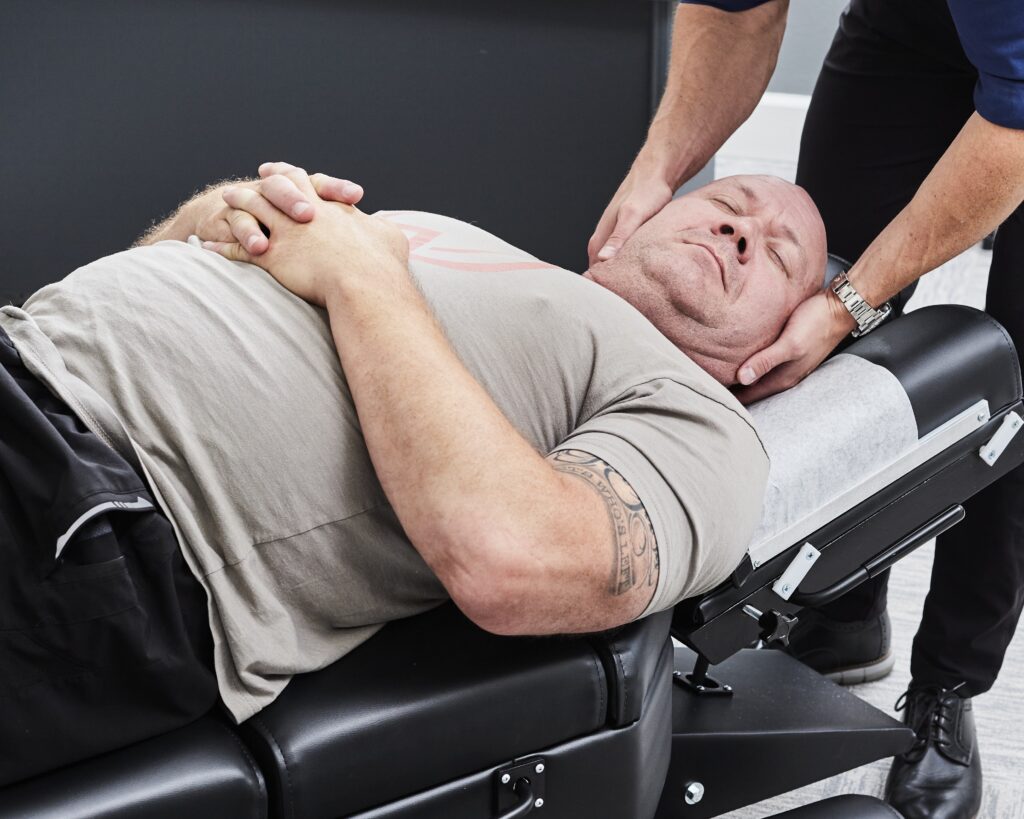
If you’re dealing with migraines, you’re certainly not alone. Many individuals are exploring natural treatments to achieve relief without turning to medications. As a chiropractor, I want to emphasize that chiropractic care can be a fantastic option for managing migraines and promoting overall wellness.
Hydration is crucial; make sure you’re drinking enough water throughout the day. Dehydration can trigger headaches, so keeping your body well-hydrated is a simple yet effective step.
Dietary changes can also play a significant role. Certain foods might contribute to your migraines while others can help alleviate them. Keeping a food diary can help you identify potential triggers. Incorporating more whole foods and reducing processed items is a great way to support your body.
Essential oils, such as peppermint and lavender, can provide soothing relief. You can diffuse these oils in your home or apply them topically (diluted) for added comfort.
Regular exercise is another important factor. It helps reduce stress and tension, which can be significant migraine triggers. Even a simple daily walk can make a difference.
Finally, don’t underestimate the power of chiropractic care. Regular adjustments can help align your spine and relieve tension in the muscles that might contribute to headaches. By focusing on spinal health, we can support your body’s natural ability to heal itself and reduce the frequency and intensity of migraines.
If you’re curious about which options might work best for you, consider discussing them with your chiropractor. Together, we can create a tailored wellness strategy that promotes not just migraine relief, but your overall health and well-being. Remember, you have the power to take control of your health journey!
Key Takeaways
- Stay hydrated by drinking at least eight 8-ounce glasses of water daily. Proper hydration supports optimal blood flow and can help reduce the frequency of migraines, which is vital for your overall wellness.
- Incorporate omega-3-rich foods like fatty fish and walnuts into your diet. These foods provide anti-inflammatory benefits that can support your body’s natural healing processes and promote a healthier lifestyle.
- Consider natural herbal remedies such as feverfew and butterbur. These have been noted for their potential to reduce both the frequency and severity of migraine attacks. Always consult with your chiropractor about integrating these into your wellness routine.
- Use calming essential oils like peppermint and lavender during migraine episodes. These oils can help relax muscles and provide soothing relief, enhancing your comfort while your body heals.
- Regular chiropractic care is a fantastic option for migraine relief. A chiropractor can help relieve tension and improve spinal alignment, which is often linked to migraines. Additionally, self-acupressure techniques can be beneficial in managing pain and promoting relaxation.
Remember, focusing on natural treatments like these, especially chiropractic care, can help you achieve optimal health and wellness.
Hydration and Its Impact on Migraines
When you prioritize staying hydrated, you may notice a significant reduction in the frequency of your migraines. Proper hydration is essential for maintaining optimal blood flow, which can help prevent headaches related to dehydration. Your brain, just like the rest of your body, relies on water to function well. When you’re dehydrated, it can lead to discomfort and pain, including migraines.
As a chiropractor, I encourage you to incorporate hydration into your daily wellness routine, as it complements the benefits of chiropractic care. To ensure you’re drinking enough water, consider setting reminders on your phone or carrying a reusable water bottle with you. Aiming for at least eight 8-ounce glasses of water a day is a good baseline, but you may need to adjust this based on your activity level and the climate you’re in. Keep in mind that herbal teas and fruits with high water content can also help you stay hydrated.
If you ever find yourself experiencing a headache, take a moment to reflect on your fluid intake for the day. Staying mindful of your hydration can be a proactive approach to managing your migraines and enhancing your overall well-being. Remember, chiropractic care can further support your health journey by addressing spinal alignment and nerve function, which can play a role in alleviating pain. By combining hydration with regular chiropractic adjustments, you can work towards achieving optimal health and a more comfortable life.
The Role of Diet in Migraine Prevention
Diet plays an essential role in migraine prevention, and making mindful food choices can significantly reduce the frequency and severity of attacks. As a chiropractor, I believe that understanding how certain foods affect your body can complement your journey toward natural healing and optimal wellness.
Here are some dietary strategies to keep in mind, alongside the benefits of chiropractic care:
- Identify Trigger Foods: Pay attention to what you eat. Common culprits for migraines can include aged cheeses, processed meats, and certain additives like MSG. Keeping a food diary can help you pinpoint these trigger foods, allowing you to make healthier choices.
- Maintain Balanced Blood Sugar Levels: Eating regular, balanced meals is key. Consistent meal times can help stabilize your blood sugar levels, preventing those spikes and drops that may trigger migraines. Consider including whole grains, lean proteins, and plenty of fruits and vegetables in your meals.
- Incorporate Omega-3 Fatty Acids: Foods rich in omega-3s, such as fatty fish and walnuts, have anti-inflammatory properties that support overall health. These foods can play a role in reducing inflammation, which is beneficial for anyone experiencing pain, including migraines.
- Stay Hydrated: Keeping hydrated is crucial, not just for overall wellness but also for migraine prevention. A diet rich in water-dense foods like fruits and vegetables can help maintain hydration levels. Remember, staying hydrated can also support spinal health, which is essential for overall well-being.
By integrating these dietary strategies into your lifestyle, you can enhance your health and potentially reduce the frequency of migraines. Remember, chiropractic care is also a vital part of achieving optimal health.
Regular adjustments can help align your spine, relieve tension, and improve your overall body function, aiding in pain relief and promoting a healthier, more vibrant life. Embrace these natural approaches to wellness as you work towards a migraine-free experience!
Herbal Remedies for Pain Relief
Exploring natural and holistic approaches to pain relief can be incredibly beneficial, especially for those experiencing migraines. As a local chiropractor, I believe in the power of natural healing and how it can support your overall wellness. While herbal remedies like feverfew and butterbur have gained attention for their potential benefits, it’s essential to prioritize chiropractic care as a primary option for pain management.
Feverfew has been used for centuries and may help reduce the frequency of migraine attacks. You can find it in health food stores, either in capsule form or as an herbal tea. Butterbur, known for its anti-inflammatory properties, can also be explored, but remember that its use should complement, not replace, your chiropractic care.
In addition to these herbs, ginger is a fantastic natural remedy that has shown promise in alleviating nausea associated with migraines. Incorporating fresh ginger into your meals or enjoying ginger tea can be a delicious way to support your health.
Peppermint leaves are another great option. The menthol found in peppermint can provide a cooling effect and help relax tense muscles, which is especially helpful during a migraine episode. You can use peppermint oil for aromatherapy or sip on peppermint tea to enjoy its soothing benefits.
While exploring these herbal options, remember that regular chiropractic adjustments can play a vital role in managing migraines. By ensuring your spine is properly aligned, you can alleviate tension and stress that may contribute to your pain. Chiropractic care focuses on natural healing and can help you achieve optimal health without the need for medications or surgeries.
Always consult with a healthcare professional before starting any new regimen, including herbal remedies, to ensure they fit into your overall health plan. By embracing chiropractic care and incorporating these natural remedies, you may find effective support in managing your migraine pain and enhancing your overall wellness.
Essential Oils for Migraines
Many people experience relief from migraines by incorporating essential oils into their wellness routine, but it’s important to remember that chiropractic care offers a holistic approach to pain management and overall health. While essential oils can provide temporary relief, addressing the root causes of migraines through spinal health is crucial for long-term wellness.
Chiropractic care focuses on ensuring your spine is properly aligned, which can help alleviate tension and improve your body’s overall function. Here are some essential oils that may complement your wellness routine, but always prioritize chiropractic treatments for lasting relief:
- Peppermint oil: Its cooling effect can help relax tense muscles. However, consider consulting with your chiropractor about muscle tension and how adjustments can help.
- Lavender oil: Known for its calming properties, it can help reduce stress. Remember, stress management is essential, and chiropractic adjustments can help ease the physical manifestations of stress in your body.
- Eucalyptus oil: While its invigorating scent may relieve headaches, it’s best to address any underlying spinal issues that may contribute to your discomfort.
- Rosemary oil: This oil can enhance blood flow, but improving your spinal alignment through chiropractic care can also boost circulation and support overall health.
When using essential oils, you might try inhaling them directly, using a diffuser, or applying diluted oil to your temples. However, remember that these should be seen as complementary to a consistent chiropractic care plan. By working with your chiropractor, you can explore effective strategies to manage migraines and improve your overall well-being.
Incorporate regular chiropractic visits into your routine, practice good posture, stay hydrated, and engage in stress-reducing activities like yoga or meditation. These holistic approaches can significantly enhance your quality of life and help you manage migraines more effectively.
Acupressure and Trigger Point Therapy
As a local chiropractor, I want to share how acupressure and trigger point therapy can be valuable tools for easing migraine pain. These techniques involve applying pressure to specific points on your body, which can help release tension and promote relaxation. While chiropractic care is the best choice for achieving optimal health and pain relief, incorporating self-acupressure can provide some immediate comfort.
Let’s explore a few key pressure points and simple techniques for self-acupressure that you can use anytime, anywhere, while always keeping in mind the importance of chiropractic care for long-term wellness.
- The Third Eye Point: Located between your eyebrows, this point can be stimulated by gently pressing with your thumb or index finger. This can help alleviate tension in the head and promote relaxation.
- The Base of the Skull: Find the point where your skull meets your neck, and apply pressure with your fingers. This area can hold a lot of tension, and relieving it may help reduce headache pain.
- The Shoulder Point: Just below the base of your neck, on the top of your shoulder, is another critical area. Use your fingers to press down firmly. This can help relieve tension that may contribute to headaches.
- Hand and Wrist Points: The webbing between your thumb and index finger is known as the Hegu point. Apply firm pressure here for relief from headaches and migraines.
In addition to these pressure points, remember to maintain good posture and take regular breaks, especially if you spend long hours sitting.
Staying hydrated and practicing relaxation techniques can also support your overall wellness.
While self-acupressure can provide temporary relief, regular chiropractic care is essential for addressing the root causes of migraine pain and ensuring that your spine and nervous system are functioning optimally. Always consider scheduling an appointment with your chiropractor for a personalized approach to your health and wellness journey.
Pressure Points for Relief
Finding relief from migraines can often feel like a daunting task, but incorporating the principles of chiropractic care into your wellness routine can make a significant difference.
In addition to the hands-on therapies we provide, utilizing pressure points through acupressure and trigger point therapy can enhance your overall relief. By applying pressure to specific areas, you can alleviate pain, promote relaxation, and support your body’s natural healing processes.
Here are four key pressure points to consider alongside your chiropractic care:
- LI4 (Hegu): Located between your thumb and index finger, this point is well-known for its ability to help relieve headache pain. You can gently press on this area to experience a calming effect.
- GB20 (Fengchi): Found at the base of your skull, this pressure point can reduce tension and improve circulation, which is crucial for migraine relief. Try massaging this area to release any built-up tension.
- PC8 (Laogong): Situated in the center of your palm, this point is great for calming the mind. Simply pressing on this area can help you find a sense of peace during a migraine episode.
- BL2 (Zanzhu): Located at the inner corners of your eyebrows, this point can ease frontal headaches. Applying gentle pressure here may help alleviate discomfort.
In addition to exploring these pressure points, remember that regular chiropractic adjustments can help align your spine, reduce nerve interference, and support your overall health.
Staying hydrated, maintaining good posture, and managing stress through relaxation techniques can further enhance your migraine relief efforts.
By focusing on natural healing methods like chiropractic care and acupressure, you can take proactive steps toward achieving optimal health and wellness.
If you have any questions about how chiropractic care can support your journey, don’t hesitate to reach out!
Techniques for Self-Acupressure
Incorporating pressure points into your wellness routine can significantly enhance your journey toward better health, especially for those dealing with migraines. By learning self-acupressure techniques, you can take an active role in your pain management, complementing the benefits of chiropractic care.
To begin, locate the LI4 point, which is found between your thumb and index finger. Applying firm pressure here for a few minutes while focusing on deep, calming breaths can help alleviate discomfort.
Next, turn your attention to the GB20 points located at the base of your skull. Gently massaging these points in circular motions can ease tension that often contributes to headaches.
Additionally, don’t overlook the TMJ area, situated just below your ear. Using your fingertips to apply pressure can provide relief as well.
Remember, tightness in your neck and shoulders may trigger migraines, so it’s beneficial to incorporate gentle stretches and relaxation techniques for these areas into your routine.
Regular practice of these self-acupressure techniques, alongside consistent chiropractic care, can lead to a noticeable reduction in the frequency and intensity of your migraines. By focusing on natural healing methods and keeping your spine aligned, you can empower yourself to achieve optimal health and well-being.
Make self-care a priority, and consider chiropractic adjustments as a foundational element in your journey to a pain-free lifestyle.
Stress Management Techniques
Managing stress effectively can significantly help in reducing the frequency and intensity of migraines. As a chiropractor, I believe that a balanced mind and body are crucial for maintaining overall health.
Incorporating stress management techniques into your daily routine can create a more peaceful state of mind, which in turn supports your spinal health and overall well-being. Here are some simple strategies to help you manage stress naturally:
- Deep Breathing: Take a moment to practice deep, slow breaths. This not only calms your mind and body but also helps lower anxiety and tension that can affect your spine and muscles.
- Mindfulness Meditation: Dedicate a few minutes each day to focus on the present moment. This practice enhances your awareness and can reduce stress levels, promoting better alignment and relaxation in your body.
- Progressive Muscle Relaxation: Start from your toes and work your way up, tensing and then relaxing each muscle group. This technique helps release physical tension that may contribute to migraines and supports a healthier spine.
- Journaling: Writing down your thoughts and feelings can be a great outlet. It helps you process your emotions and identify stressors in your life, which can lead to better mental clarity and a healthier lifestyle.
By integrating these stress management techniques into your life, you can create a harmonious balance that supports not only your mental health but also your physical health. Chiropractic care is a fantastic way to complement these practices, ensuring that your spine and nervous system function optimally.
Regular Exercise and Its Benefits
Regular exercise is a fantastic way to enhance your overall well-being, and it works hand-in-hand with chiropractic care to support a healthy spine and body. When you engage in physical activity, you boost circulation and oxygen flow throughout your system, which is essential for optimal health. Additionally, exercise can significantly help reduce stress and tension—two common triggers for migraines.
Incorporating regular physical activity into your routine not only promotes a healthy lifestyle but also complements your chiropractic treatment. Together, they can provide a powerful way to manage and alleviate migraine symptoms.
Here are some simple tips to get started:
- Stay Active: Aim for at least 30 minutes of moderate exercise most days of the week. This could include walking, cycling, or swimming—whatever you enjoy!
- Stretch Regularly: Incorporate stretching into your daily routine to improve flexibility and relieve tension in your muscles, particularly around the neck and shoulders.
- Listen to Your Body: Pay attention to how your body feels during exercise. If you notice any discomfort, consider discussing it with your chiropractor to ensure you’re moving in a way that supports your spine.
- Stay Hydrated: Proper hydration is crucial for overall health, especially when exercising. Drink plenty of water before, during, and after your workouts.
- Combine with Chiropractic Care: Regular visits to your chiropractor can enhance your physical activity results. Chiropractic adjustments can help align your spine, improve your posture, and relieve any pain that might hinder your exercise routine.
Boosts Circulation and Oxygen
Exercise isn’t just a way to stay fit; it’s a powerful tool for enhancing circulation and oxygen flow throughout your body. As a chiropractor, I understand the importance of spinal health and how it plays a crucial role in your overall well-being. When you engage in regular physical activity, your heart becomes more efficient at pumping blood, delivering essential nutrients and oxygen to your muscles and brain. This increased circulation can significantly help alleviate migraine symptoms and promote overall health.
Here are some benefits of improved circulation that you should consider:
- Enhances Nutrient Delivery: With better circulation, your cells receive the nutrients they need to function optimally.
- Promotes Brain Function: Improved blood flow supports cognitive clarity, allowing you to think and focus better.
- Supports Recovery: Enhanced circulation aids in faster recovery from physical activities, which can help prevent injuries.
- Regulates Blood Pressure: Regular exercise contributes to maintaining healthy blood pressure levels.
Incorporating exercises such as walking, swimming, or cycling into your daily routine can make a noticeable difference in how you feel. Remember, movement is key to maintaining a healthy spine, which supports the entire nervous system.
As you strengthen your body through exercise, you also support your spine and overall health.
Additionally, regular chiropractic adjustments can further enhance your body’s ability to function at its best. Chiropractic care focuses on realigning the spine, ensuring that your nervous system operates smoothly and efficiently. This combination of exercise and chiropractic care is a natural way to achieve optimal health, manage pain, and alleviate migraine symptoms.
Reduces Stress and Tension
When you engage in physical activity, you’re not just improving your fitness; you’re also significantly reducing stress and tension, which are key factors in maintaining spinal health. Regular exercise stimulates the release of endorphins, the body’s natural mood enhancers. As you move your body—whether it’s a brisk walk, a gentle yoga session, or an energetic workout—many of your worries can melt away, leaving you feeling more relaxed and focused.
In addition to the mental benefits, physical activity helps promote better posture and spinal alignment, which are crucial for overall health. By incorporating exercises that strengthen your core and support your spine, you can enhance your body’s resilience against everyday stressors. This not only helps alleviate tension but can also play a role in reducing headaches and migraines, which are often linked to spinal misalignments.
Committing to a regular exercise routine fosters a sense of accomplishment, boosting your mental well-being. It’s a proactive approach to managing stress and improving your overall health. Remember, chiropractic care complements this lifestyle by ensuring that your spine is aligned and functioning optimally, enhancing your body’s natural ability to heal and thrive.
To support your wellness journey, consider these simple tips:
- Find an activity you enjoy—this makes it easier to stick to your routine.
- Incorporate stretching and flexibility exercises to maintain spinal health.
- Make time for regular chiropractic adjustments to keep your spine aligned and functioning well.
- Listen to your body; if you feel tension building, take a break and practice deep breathing or gentle movements.
Conclusion
Incorporating natural treatments into your daily routine can significantly enhance your migraine relief, and chiropractic care is at the forefront of this approach. Staying hydrated, eating a balanced diet, and exploring herbal remedies can all contribute to your overall wellness. Remember to consider essential oils, acupressure, and effective stress management techniques. Regular chiropractic adjustments can improve spinal alignment, which may help reduce the frequency and intensity of migraines.
Exercise is another critical component not only for your overall health but also for managing migraines effectively. Simple activities like walking or yoga can help relieve tension and promote relaxation. By integrating these steps, you empower yourself to take control of your migraines and improve your quality of life, all while enhancing the benefits of chiropractic care. Embracing these natural methods can lead you toward a healthier, pain-free lifestyle.