
You leave home for a short walk, expecting to enjoy some fresh air. But after a few minutes, your legs begin to ache. They feel heavy, perhaps a little numb. You stop, sit on a nearby bench, and the discomfort slowly fades.
When you start walking again, the same feeling returns.
For some people, this pattern is one of the first signs of spinal stenosis, a condition that can affect how comfortably you stand, walk, and move throughout the day.
So, what is spinal stenosis? Spinal stenosis occurs when the spaces inside your spine become narrower, potentially putting pressure on nearby nerves or the spinal cord. This can cause pain, tingling, numbness, weakness, or difficulty walking. It most commonly affects the lower back and neck.
Although spinal stenosis becomes more common with age, it does not always cause symptoms or require surgery. Many people can manage their discomfort with physical therapy, appropriate exercise, and other conservative treatments.
This guide explains what causes spinal stenosis, how to recognize its symptoms, how doctors diagnose it, and which treatments may help. You’ll also learn whether chiropractic care can play a role in spinal stenosis pain relief and when medical treatment is necessary.
What Is Spinal Stenosis?
Your spine does more than support your body. It also protects the spinal cord and provides pathways for nerves that travel to your arms, legs, and other parts of the body.
The spinal canal is a passageway formed by the bones of your spine. Smaller openings between the vertebrae allow nerve roots to branch out.
Spinal stenosis develops when one or more of these spaces become narrower than normal.
As the space decreases, nearby nerves or the spinal cord may become compressed or irritated. This can lead to pain, tingling, numbness, weakness, or changes in movement.
However, not everyone with spinal stenosis experiences pain. Some people have narrowing visible on an MRI without any noticeable symptoms.
This is why doctors consider your symptoms, physical examination, and imaging results together rather than relying on scans alone.
Types of Spinal Stenosis
Spinal stenosis is commonly classified by the affected part of the spine.
Type |
Location |
Possible symptoms |
|
Lumbar spinal stenosis |
Lower back |
Leg pain, numbness, heaviness, or difficulty walking |
|
Cervical spinal stenosis |
Neck |
Neck discomfort, arm tingling, hand weakness, or balance problems |
|
Thoracic spinal stenosis |
Middle back |
Less common; may cause trunk or leg symptoms and spinal cord problems |
Lumbar and cervical spinal stenosis are the most common forms. Their symptoms can differ because the lower back contains nerve roots, while the neck also contains the spinal cord.
What Causes Spinal Stenosis?
Most cases develop gradually as the spine changes with age. Over time, spinal joints, discs, bones, and ligaments may change in ways that reduce the space available for nerves.
However, aging is not the only possible cause.
1. Osteoarthritis and Bone Spurs
Osteoarthritis causes gradual changes in the joints of the spine.
As these joints wear down, the body may develop extra bone around them. These growths, called bone spurs, can extend into the spinal canal or nerve openings.
2. Thickened Spinal Ligaments
Ligaments are strong tissues that help stabilize the spine.
With age, some ligaments may become thicker and less flexible. The ligamentum flavum, located toward the back of the spinal canal, can sometimes bulge inward and contribute to narrowing.
3. Bulging or Herniated Discs
Spinal discs act as cushions between the vertebrae.
Over time, discs may lose water content and become less flexible. A bulging or herniated disc can extend toward the spinal canal and reduce the space around nearby nerves.
4. Spondylolisthesis
Spondylolisthesis occurs when one vertebra slips relative to another.
This change in alignment may narrow the spinal canal or nerve openings, sometimes contributing to nerve compression.
5. Congenital Spinal Narrowing
Some people are born with a naturally smaller spinal canal.
Because there is less room for nerve structures, symptoms may develop earlier when additional changes occur.
6. Injuries and Other Medical Conditions
Spinal injuries, fractures, certain postoperative changes, and less common conditions such as tumors or Paget’s disease may also contribute to spinal stenosis.
Understanding what causes spinal stenosis in your situation is important because the underlying condition helps determine the most appropriate treatment.
Signs of Spinal Stenosis You Should Not Ignore
The early signs of spinal stenosis may seem like ordinary back stiffness or tired legs.
You might notice discomfort after standing for a while or find yourself taking more breaks during everyday activities.
One important clue, especially with lumbar spinal stenosis, is how symptoms change with your position.
Standing upright or leaning backward may increase discomfort, while sitting or bending forward often provides relief.
This explains why some people can ride a stationary bicycle comfortably but struggle to walk the same distance.
Common signs of spinal stenosis include:
-
Pain or heaviness in the legs during walking.
-
Numbness or tingling in the arms, hands, legs, or feet.
-
Lower back or neck discomfort.
-
Difficulty standing for extended periods.
-
Muscle weakness.
-
Reduced walking distance.
-
Symptoms that improve after sitting or leaning forward.
These symptoms are not unique to spinal stenosis. Other conditions, including circulation problems and peripheral nerve disorders, can cause similar complaints.
If symptoms continue or interfere with your daily life, a professional evaluation can help identify the cause.
Symptoms of Lumbar Spinal Stenosis
Lumbar spinal stenosis affects the lower back and can make standing or walking uncomfortable.
One of its most recognizable symptoms is neurogenic claudication.
This means pain, heaviness, cramping, numbness, or weakness in the buttocks or legs that typically develops during walking or standing and improves with sitting or bending forward.
Other symptoms of lumbar spinal stenosis may include:
-
A dull ache across the lower back.
-
Pain traveling into one or both buttocks or legs.
-
Tingling or pins-and-needles sensations in the feet.
-
Weakness in the legs.
-
Difficulty walking longer distances.
-
Discomfort that increases during prolonged standing.
Some people experience significant leg symptoms without much back pain.
Why Does Leaning Forward Sometimes Help?
When you bend forward, the space within parts of the lumbar spinal canal can increase slightly.
This may reduce irritation around affected nerves and help explain why sitting or leaning over a shopping cart feels more comfortable.
However, leg pain during walking can also result from reduced blood flow. A healthcare provider may need to distinguish between spinal nerve symptoms and circulation-related problems.
Cervical Spine Stenosis: When the Neck Is Affected
Cervical spine stenosis develops when the spinal canal or nerve openings in the neck become narrow.
Depending on which structures are affected, symptoms may involve the neck, shoulders, arms, or hands.
Common symptoms include:
-
Neck pain or stiffness.
-
Tingling or numbness in the arms.
-
Pain traveling from the neck into a shoulder or arm.
-
Hand or arm weakness.
-
Difficulty with certain daily movements.
Cervical stenosis deserves particular attention because narrowing in the neck may affect the spinal cord itself.
When spinal cord compression causes neurological problems, the condition is called cervical myelopathy.
Warning Signs of Cervical Myelopathy
Some people notice changes that initially seem unrelated to neck discomfort, including difficulty buttoning clothes, changes in handwriting, dropping objects, or feeling unsteady while walking.
These symptoms require prompt medical assessment.
Spinal cord compression can sometimes lead to lasting neurological problems, and suspected cervical myelopathy should not be managed with neck manipulation.
What Are the Worst Symptoms of Spinal Stenosis?
Most cases of spinal stenosis do not cause a medical emergency. However, certain symptoms may indicate serious nerve or spinal cord compression.
Seek emergency medical attention if you develop:
-
New loss of bladder or bowel control.
-
New difficulty urinating or an inability to empty your bladder.
-
Numbness around the groin, genitals, or inner thighs.
-
Rapidly worsening or severe leg weakness.
These symptoms may indicate cauda equina syndrome, a serious condition involving compression of nerves near the lower end of the spinal canal.
Delayed treatment can sometimes lead to permanent nerve damage.
Worsening hand coordination, increasing balance problems, or repeated falls in someone with cervical stenosis also require prompt medical evaluation.
Recognizing these warning signs is essential because some neurological problems cannot safely wait for routine conservative care.
How Is Spinal Stenosis Diagnosed?
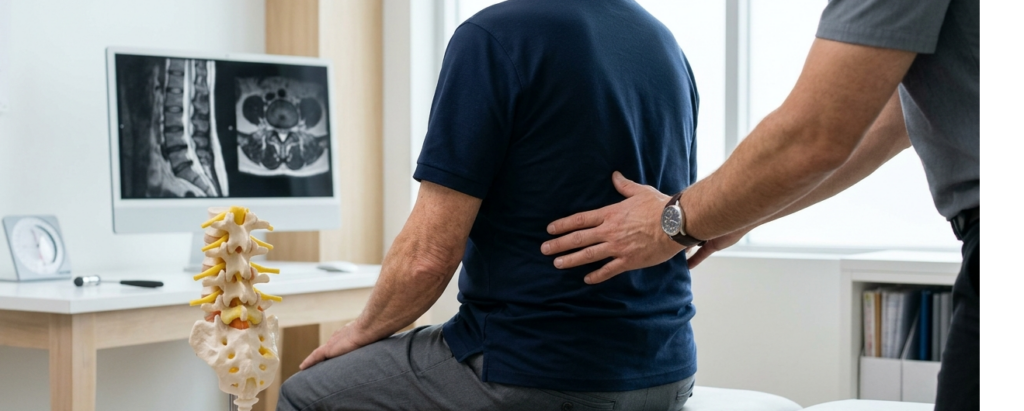
Diagnosing spinal stenosis involves understanding your symptoms, examining your neurological function, and using imaging when appropriate.
An MRI may reveal spinal narrowing, but that does not automatically mean the narrowing is causing your symptoms.
Medical History and Physical Examination
Your healthcare provider may ask:
-
When did your symptoms begin?
-
Where do you feel pain, numbness, or tingling?
-
Does walking or standing make the symptoms worse?
-
Do symptoms improve when you sit or lean forward?
Have you noticed changes in strength, balance, or walking distance?
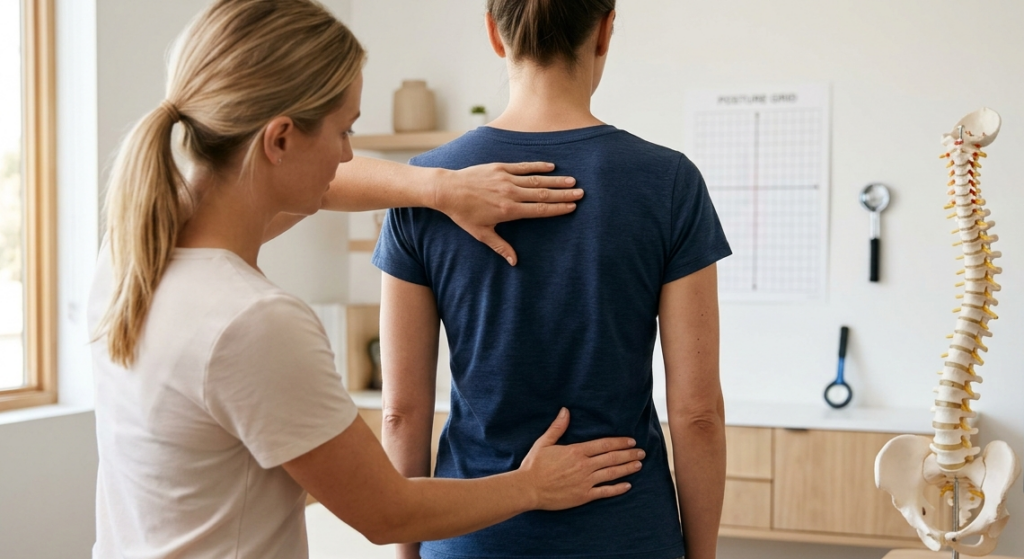
A physical examination may include checking your reflexes, muscle strength, sensation, walking pattern, and spinal movement.
Imaging Tests for Spinal Stenosis
Diagnostic test |
What it helps identify |
|
|
X-ray |
Bone alignment, arthritis-related changes, and vertebral slippage |
|
|
MRI |
Discs, ligaments, nerves, spinal cord, and areas of narrowing |
|
|
CT scan |
Detailed bone structures and certain spinal changes |
|
|
CT myelography |
Spinal canal and nerve structures when additional detail is needed |
|
|
Electrodiagnostic tests |
Selected nerve problems that may resemble spinal stenosis |
MRI is commonly preferred when detailed assessment is needed because it shows soft tissues and nerve structures.
However, imaging is not always required during the initial evaluation, especially when symptoms are mild and there are no concerning neurological findings.
What Is the Best Treatment for Spinal Stenosis?
The best treatment depends on the location of the narrowing, symptom severity, neurological findings, and how much the condition affects your daily activities.
There is no single treatment that works for everyone.
For many people with lumbar spinal stenosis and no progressive neurological problems, nonsurgical care is a reasonable starting point.
Physical Therapy and Exercise
Physical therapy may help improve strength, flexibility, walking ability, and everyday movement.
Treatment programs often include exercises for the back, abdomen, hips, and legs, along with low-impact aerobic activity.
Research supports certain programs combining exercise, education, and manual therapy for people with lumbar spinal stenosis.
A 2022 systematic review published in BMJ Open found moderate-quality evidence supporting multimodal rehabilitation for lumbar spinal stenosis with neurogenic claudication.
However, results vary, and no single exercise program is best for every patient.
Medications for Pain Management
Depending on your symptoms and medical history, a healthcare provider may recommend medication to help manage discomfort.
Options may include certain over-the-counter pain relievers or prescription medications when appropriate.
Nonsteroidal anti-inflammatory drugs, such as ibuprofen, can cause stomach, kidney, cardiovascular, or bleeding-related complications in some people.
Medication may reduce pain, but it does not reverse spinal canal narrowing.
Epidural Steroid Injections
Epidural injections deliver medication near spinal nerve structures.
They may be considered for selected patients with persistent symptoms, although evidence for meaningful long-term benefits in lumbar spinal stenosis is limited.
Patients should discuss the expected benefits, risks, and limitations with their medical provider.
Surgery for Spinal Stenosis
Surgery may be recommended when symptoms cause significant disability despite appropriate nonsurgical treatment or when serious neurological problems develop.
A common procedure is decompressive laminectomy, which removes selected bone or ligament tissue to create more space for compressed nerves.
Some patients may require additional procedures depending on spinal stability and other findings.
Surgery can improve symptoms for appropriately selected patients, but it has risks and does not guarantee complete relief.
How Do You Fix Spinal Stenosis Without Surgery?
Many people want to know whether spinal stenosis can be corrected without an operation.
The important difference is between managing symptoms and reversing structural narrowing.
Exercise, physical therapy, and other conservative treatments may improve comfort, strength, walking ability, and daily function.
However, these treatments generally cannot remove bone spurs or permanently widen a narrowed spinal canal.
Gentle Flexion-Based Exercises
Some people with lumbar stenosis feel more comfortable when their lower back is slightly bent forward.
A physical therapist may recommend suitable exercises based on your symptoms and examination.
Core and Hip Strengthening
Strengthening the muscles around the abdomen, hips, and legs may help improve movement control and physical function.
Exercises should be adapted to your abilities.
Low-Impact Physical Activity
Stationary cycling, swimming, and other low-impact activities may help maintain fitness without repeatedly triggering severe symptoms.
Walking With Planned Breaks
Shorter walks with sitting breaks may make activity more manageable.
If your walking distance continues to decrease, seek reassessment rather than simply pushing through worsening symptoms.
Appropriate Manual Therapy
Some rehabilitation programs combine hands-on treatment with supervised exercise and patient education.
These programs may improve symptoms and walking ability in selected patients, but manual therapy alone has not been shown to reverse spinal stenosis.
Can a Chiropractor Help Spinal Stenosis?
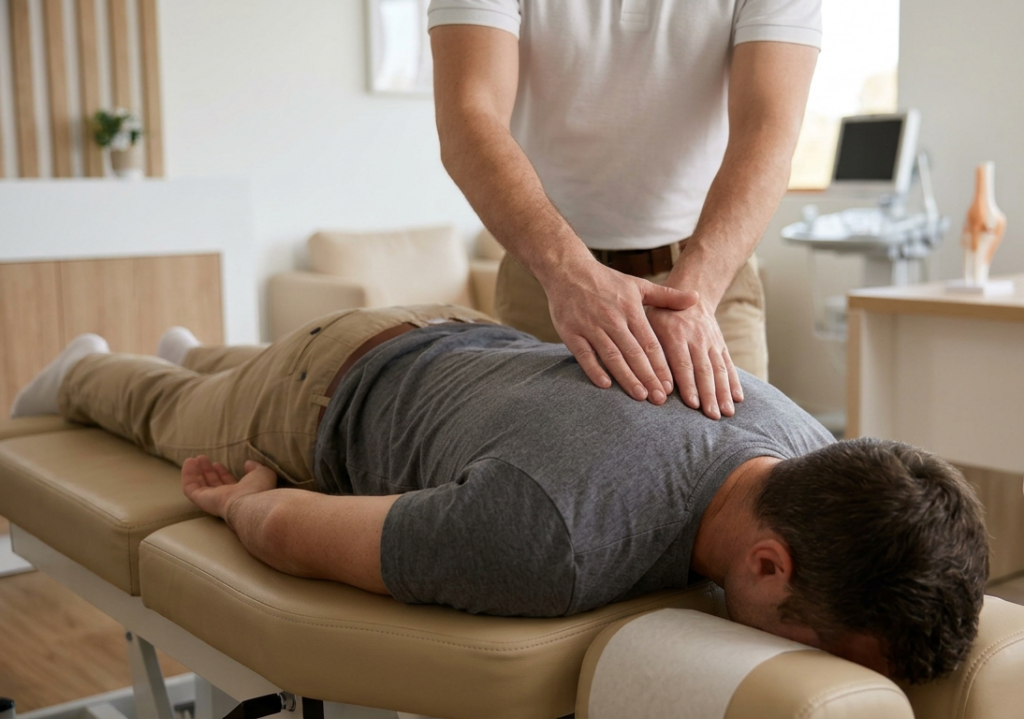
A chiropractor may help some people with lumbar spinal stenosis manage associated muscle or joint discomfort and improve movement as part of a broader conservative care plan.
However, chiropractic adjustments cannot remove bone spurs, repair age-related spinal changes, or permanently enlarge a narrowed spinal canal.
Research provides some support for multimodal rehabilitation that includes exercise and manual therapy. It does not establish that spinal manipulation alone is an effective treatment for the underlying narrowing.
How Chiropractic Care May Fit Into Treatment
A chiropractor for spinal stenosis may assess movement-related symptoms and recommend appropriate conservative care.
Depending on the patient’s condition, this may include gentle mobilization, exercise guidance, activity education, or management of associated musculoskeletal discomfort.
Some clinics also offer nonsurgical spinal decompression, which uses controlled traction to stretch parts of the spine.
However, evidence that mechanical spinal decompression provides lasting relief specifically for spinal stenosis remains limited. It should not be described as a proven way to reverse the condition.
When Chiropractic Care May Not Be Appropriate
Patients with suspected cervical myelopathy, progressive weakness, significant balance changes, or emergency neurological symptoms need medical evaluation.
A careful assessment is essential before spinal manual therapy.
Chiropractic care should support appropriate medical management, not delay it.
Practical Strategies for Spinal Stenosis Pain Relief
Living with spinal stenosis may require small changes to everyday activities.
The following strategies may help some people with lumbar spinal stenosis manage discomfort while remaining active.
Take Short Breaks During Walks
If your legs begin aching or feeling heavy, sitting briefly may provide relief.
Planned breaks can make longer activities easier to manage.
Choose Comfortable Exercise
Stationary cycling or other low-impact activities may be easier to tolerate than prolonged upright walking.
Choose activities that fit your symptoms and physical abilities.
Adjust Your Sleeping Position
Some people feel more comfortable sleeping on their side with slightly bent knees or on their back with a pillow beneath their knees.
These positions may improve comfort, although they do not correct spinal narrowing.
Use Heat for Muscle Stiffness
A warm pack may temporarily ease muscle tension or stiffness.
Protect your skin, especially if you have reduced sensation.
Avoid Staying in One Position Too Long
Standing for extended periods may aggravate lumbar stenosis symptoms.
Changing positions and taking regular breaks can help make everyday tasks more comfortable.
Stay Active Within Your Limits
Avoiding all movement can contribute to reduced strength and physical fitness.
An individualized activity plan can help maintain function without repeatedly provoking severe symptoms.
Chiropractic Care in Lutz, FL — Crystal Grove Chiropractic
If you’re experiencing ongoing back pain, stiffness, reduced mobility, or discomfort traveling into your legs, understanding the cause of your symptoms is an important first step.
At Crystal Grove Chiropractic, Dr. Jacob Henricksen provides patient-centered chiropractic care focused on spinal health, joint movement, and musculoskeletal concerns. The practice serves patients in Lutz, Florida, and surrounding communities, including Land O’ Lakes, Wesley Chapel, and Tampa.
The clinic offers several chiropractic and wellness services:
Chiropractic Care: Individualized assessment and hands-on care for selected musculoskeletal concerns, including back and neck discomfort.
Spinal Decompression: Nonsurgical traction-based therapy offered for certain back and disc-related concerns. Its effectiveness for spinal stenosis specifically remains uncertain.
Spine X-Ray: Diagnostic imaging when clinically appropriate to help evaluate spinal bones and alignment.
Auto Injury Care: Assessment and chiropractic management of appropriate musculoskeletal symptoms following vehicle accidents.
Athlete Care: Movement-focused chiropractic services for sports-related musculoskeletal concerns.
Wellness Care: Chiropractic consultations and individualized guidance related to mobility and general musculoskeletal wellness.
Prenatal Care: Chiropractic services for selected pregnancy-related musculoskeletal concerns, with appropriate precautions.
Pediatric Care: Age-appropriate chiropractic assessment and services; treatment should be based on an established clinical need.
The clinic’s website confirms these service categories, including spinal decompression and diagnostic imaging.
For people experiencing symptoms of spinal stenosis, chiropractic care may be considered for certain associated musculoskeletal concerns after appropriate assessment. However, chiropractic treatment cannot reverse spinal canal narrowing, and suspected spinal cord compression or progressive neurological problems require medical evaluation.
If you’re experiencing persistent back discomfort, stiffness, or movement limitations, contact Crystal Grove Chiropractic to discuss whether a chiropractic assessment may be appropriate for your needs.
Crystal Grove Chiropractic
Location: Lutz, FL
Address: 250 Crystal Grove Blvd, Lutz, FL 33548
Phone: +1 813-776-1480
Website: Chiropractor in Lutz, FL
Map: Crystal Grove Chiropractic – Lutz, FL
Frequently Asked Questions About Spinal Stenosis
Can spinal stenosis cause back pain, leg pain, or numbness?
Yes. Spinal stenosis can cause lower back pain, leg discomfort, numbness, tingling, and weakness. Lumbar spinal stenosis often causes symptoms during standing or walking that improve with sitting. Cervical stenosis may cause symptoms in the neck, arms, or hands.
Can spinal stenosis get better without surgery?
Yes. Some people experience improvements in pain, walking ability, and daily function through physical therapy, exercise, and activity changes. However, these treatments generally do not reverse the structural narrowing of the spinal canal.
What exercises should you avoid if you have spinal stenosis?
There is no universal list of exercises that everyone with spinal stenosis must avoid. Some people with lumbar stenosis find prolonged backward bending uncomfortable. Avoid movements that cause significant or worsening symptoms, and seek individualized guidance if you have weakness, numbness, or balance problems.
Is walking good for spinal stenosis?
Walking can be beneficial when performed within comfortable limits. Some people need shorter walks with sitting breaks. Stationary cycling may be a useful alternative when upright walking repeatedly triggers symptoms.
Can spinal stenosis cause permanent nerve damage?
Severe or prolonged compression of nerve structures can sometimes cause lasting neurological problems. The risk depends on the location and severity of the compression. Progressive weakness, loss of coordination, and new bladder or bowel problems require urgent medical assessment.
How long does it take to recover from spinal stenosis treatment?
Recovery varies. Some people notice improvements during a rehabilitation program lasting several weeks, while others need ongoing symptom management. Surgery has its own recovery period. No treatment can guarantee improvement within a specific timeframe.
Can a chiropractor help spinal stenosis without surgery?
A chiropractor may help manage certain associated musculoskeletal symptoms in selected patients. However, evidence does not establish that chiropractic adjustments alone effectively treat spinal canal narrowing. Treatment decisions should be based on neurological findings, symptoms, and an appropriate medical assessment.
Conclusion
Spinal stenosis occurs when the spaces around the spinal nerves or spinal cord become narrow. It may cause pain, numbness, tingling, weakness, or difficulty walking, although some people never experience symptoms.
Understanding what is spinal stenosis, recognizing its warning signs, and getting an accurate diagnosis can help you make informed decisions about treatment.
For many people with lumbar spinal stenosis, physical therapy, exercise, and other conservative approaches may help improve comfort and mobility without surgery. Chiropractic care may have a supporting role for selected musculoskeletal concerns, but it cannot reverse structural narrowing or replace necessary medical treatment.
If you’re experiencing persistent back pain or movement-related discomfort, Crystal Grove Chiropractic in Lutz, FL, can discuss its available chiropractic services and whether an assessment may be appropriate.
About the Author — Dr. Jacob Henricksen, DC
Dr. Jacob Henricksen is a chiropractor at Crystal Grove Chiropractic in Lutz, Florida. He graduated from Palmer College of Chiropractic in Davenport, Iowa, and completed his undergraduate education at Palmer after beginning his studies at the University of Alaska Anchorage.
Dr. Henricksen completed a clinical internship at the Spine and Sports Center of Chicago and has experience working in settings involving chiropractic, physical therapy, and medical care.
He has also earned a Certification in Mechanical Diagnosis and Therapy (Cert. MDT), an approach that uses assessment of movement and symptom responses to help guide musculoskeletal care.
His professional interests include spinal and extremity conditions, individualized movement assessment, and helping patients understand their treatment options.