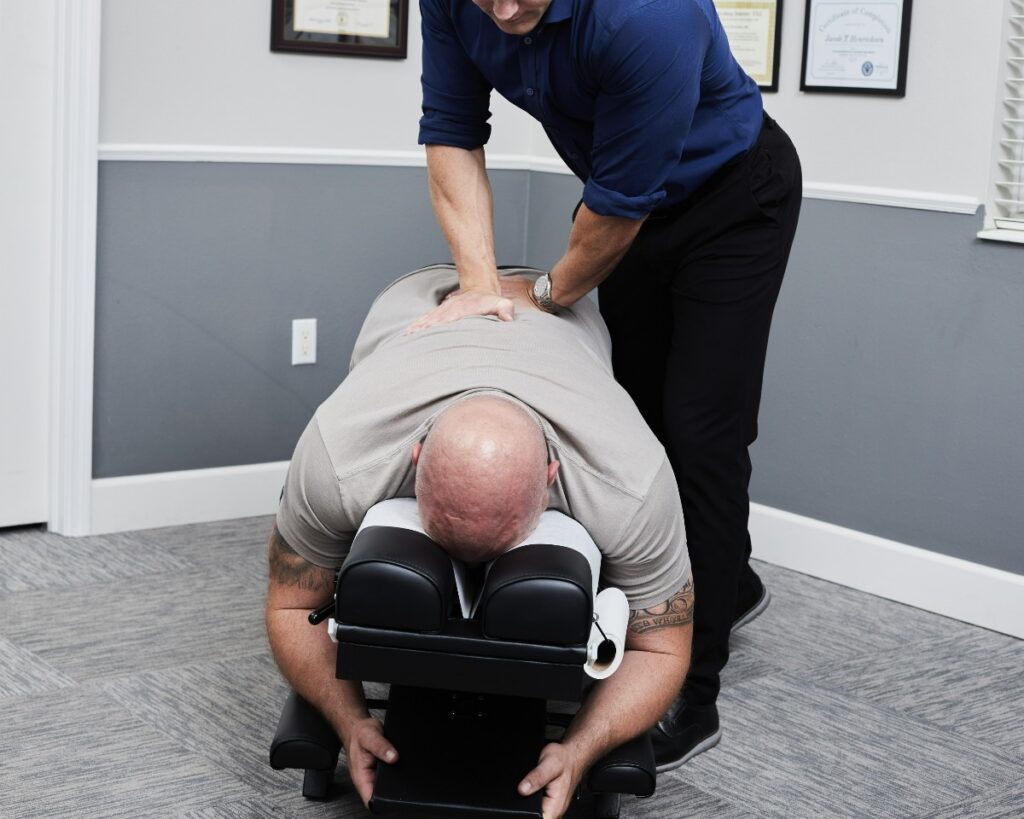
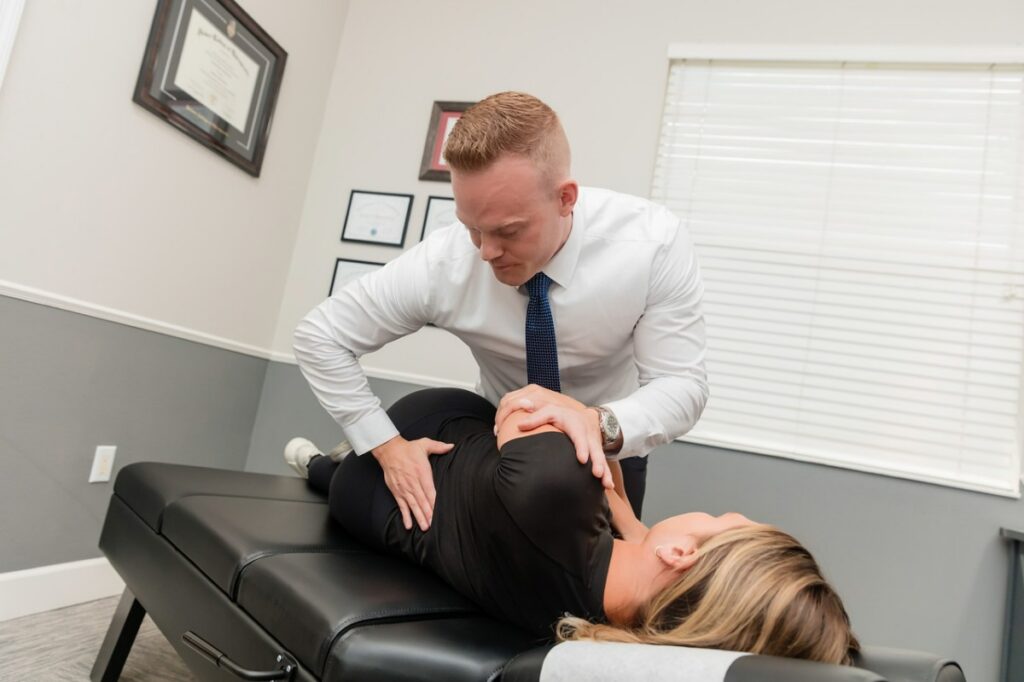
If you're struggling with lower back pain, you might be looking for gentle solutions that fit seamlessly into your daily life. Simple stretching techniques, mindfulness practices, and ergonomic adjustments can make a significant difference without overwhelming your routine. By incorporating these strategies, you can gradually relieve discomfort and improve your overall well-being. But what specific stretches or mindfulness exercises can provide the most effective relief? Let's explore some practical approaches that could lead you to a more comfortable lifestyle.
Understanding Lower Back Pain
Lower back pain is a common issue that affects many people at some point in their lives. You might experience it after a long day at work, lifting a heavy object, or even after a night of poor sleep. Understanding the causes of your lower back pain is essential for finding effective relief.
One major factor is muscle strain. If you've recently overexerted yourself or performed an unfamiliar physical activity, your muscles may be tight or inflamed. This strain can lead to discomfort that ranges from mild to severe.
Another potential cause is poor posture. If you spend hours sitting at a desk without proper support, your spine may not be aligned correctly, leading to pain over time.
In some cases, underlying conditions like herniated discs or arthritis can contribute to your discomfort. These conditions may require specific treatments, so it's important to consult a healthcare professional if your pain persists. Remember, ignoring chronic pain can lead to more serious issues down the line.
Lastly, don't overlook the role of stress. Emotional tension can manifest as physical pain in your lower back. Finding ways to manage stress, such as through mindfulness or relaxation techniques, can greatly improve your overall well-being.
Gentle Stretching Techniques
Finding relief from lower back pain often starts with incorporating gentle stretching techniques into your daily routine. These stretches can help alleviate tension, improve flexibility, and promote better posture, all of which contribute to reducing discomfort.
Begin with the child's pose. Kneel on the floor, sit back on your heels, and stretch your arms forward on the ground. Hold this position for 20-30 seconds, allowing your back to gently release any tightness.
Next, try the cat-cow stretch. Start on all fours, arch your back upward while tucking your chin (cat), and then lower your belly while lifting your head and tailbone (cow). Repeat this flow 5-10 times to loosen the spine.
Another effective stretch is the seated forward bend. Sit with your legs extended, reach for your toes, and gently pull your torso toward your legs. Hold this position for 20-30 seconds, breathing deeply as you relax into the stretch.
Don't forget the knee-to-chest stretch. Lie on your back, pull one knee toward your chest, hold for 20 seconds, and then switch legs. This helps to release tension in the lower back.
Finally, consider incorporating side stretches. Stand with your feet shoulder-width apart, raise one arm overhead, and lean to the opposite side. Hold for 15-20 seconds before switching sides.
Mindfulness and Relaxation Practices
While gentle stretching can relieve physical tension, incorporating mindfulness and relaxation practices can further enhance your journey toward managing lower back pain. By focusing on the present moment and calming your mind, you can reduce stress levels, which often contribute to muscle tension and discomfort in your lower back.
Start by practicing deep breathing exercises. Find a comfortable position, close your eyes, and take slow, deep breaths. Inhale deeply through your nose, allowing your abdomen to expand, then exhale slowly through your mouth. This simple act can help you center your thoughts and release built-up tension.
Another effective technique is progressive muscle relaxation. Begin by tensing the muscles in your feet for a few seconds, then release. Gradually work your way up through your body, tensing and relaxing each muscle group. This practice not only helps you become aware of where you're holding tension but also teaches your body how to relax.
Mindfulness meditation is also beneficial. Set aside a few minutes each day to sit quietly and focus on your breath. If your mind wanders, gently guide it back to your breathing. This practice encourages a sense of calm and can help you respond to pain with greater resilience.
Incorporating these mindfulness and relaxation techniques into your routine can have a profound effect on your overall well-being.
You'll likely find that as you learn to manage stress and cultivate relaxation, your lower back pain may lessen, allowing you to enjoy daily life with more ease.
Ergonomic Adjustments for Daily Life
Making ergonomic adjustments in your daily life can greatly alleviate lower back pain. Start with your workspace. If you spend long hours at a desk, guarantee your chair supports your lower back and allows your feet to rest flat on the ground. Keep your computer screen at eye level, so you're not straining your neck or slouching. Consider using a chair that promotes a neutral spine position.
Next, pay attention to how you lift objects. Always bend your knees and keep your back straight when picking up heavy items. Engaging your core muscles during these movements will also help protect your back. If you need to carry something, try using a backpack or a wheeled cart to distribute the weight evenly.
Your sleeping position matters, too. Opt for a mattress that offers adequate support and consider placing a pillow between your knees if you sleep on your side. This alignment can relieve pressure on your spine.
Lastly, remember to take regular breaks. Stand up, stretch, and walk around every hour to keep your muscles engaged and avoid stiffness.
Incorporating these ergonomic adjustments into your daily routine can lead to significant improvements in your lower back health. The key is consistency; small changes can make a big difference over time. By being mindful of your posture and movements, you can create a more comfortable environment that supports your back and enhances your overall well-being.
Natural Remedies and Therapies
Natural remedies and therapies can offer effective relief for lower back pain, often without the side effects associated with medications. One popular option is heat therapy. Applying a warm compress or heating pad to your lower back can relax tight muscles and improve blood flow, helping you feel better quickly.
Alternatively, cold therapy—using an ice pack—can reduce inflammation and numb sharp pain, making it another excellent choice.
Another natural remedy to take into account is stretching and gentle exercises. Engaging in activities like yoga or pilates can improve flexibility and strengthen your core, both of which are essential for supporting your back.
Just be sure to start slowly and listen to your body to avoid further strain.
Herbal remedies can also provide relief. Turmeric, with its anti-inflammatory properties, can be consumed as a spice or taken as a supplement.
Similarly, devil's claw is often used to alleviate pain and is available in capsule or tea form.
Lastly, contemplate incorporating mindfulness practices. Techniques like meditation and deep breathing not only help manage pain but also reduce stress, which can contribute to muscle tension.
Conclusion
Incorporating gentle stretching, mindfulness practices, and ergonomic adjustments into your daily routine can greatly ease lower back pain. By taking small steps to prioritize your spine health, you'll not only find relief but also improve your overall well-being. Remember, consistency is key—make these practices a regular part of your life, and you'll likely notice lasting benefits. Don't hesitate to explore natural remedies and therapies that work for you, as they can enhance your journey to comfort and relief.